
Where the SEND research started
In 2022, we visited a client nursery who was worried.
The nursery had accommodated 19 children with Special Educational Needs and Disabilities, known as SEND, in a 38 place setting. Then a letter arrived from the local authority, asking them to take another child with SEND.
The owner was overwhelmed. The staff were exhausted. We provided legal support, and stayed to listen.
That visit stayed with the team long after the paperwork was done. It was clear this was not one nursery struggling on its own. It was a pattern, and dot2dot wanted to understand it properly.
Our initial survey
We ran a sector wide survey, asking nurseries what SEND support actually looks like day to day, not how it is meant to look on paper.
The key findings were consistent, and difficult to read.
- 40 percent of nurseries said they had lost staff directly because of the stress of managing SEND without enough support.
- Funding is not keeping pace with the level of one to one care many children need.
- Recruitment is under pressure, and behaviour linked to unmet need is adding real risk for staff.
- Training does not always translate into practice. As one respondent said, staff have completed training, but training and doing are very different things.
Some team members had moved to less pressured roles because the demands, without enough people or support around them, were not sustainable. Managers described real strain on morale, wellbeing and confidence, wanting to do right by every child but not having the tools to do it.
What the data reveals about the challenges
Two sets of challenges came through clearly:
External challenges: a rise in the number of children with SEND, and in the complexity of their needs, without funding growing to match it. This limits training, recruitment and the ability to make reasonable adjustments.
Internal challenges: a heavy administrative burden, rising stress levels, and real health and safety implications for both children and staff.
Professor Christian Harrison and his team at the University of Greater Manchester, based in Bolton, mapped this as a loop. Good training and good external support lead to positive outcomes for children and staff. Poor training and poor support lead to stress, and stress leads to people leaving the sector.
Who is leading the research
dot2dot is funding a three year PhD, Children with Special Educational Needs and Disabilities (SEND): Challenges, Support and Trends, led by Sunina Kiran and supervised by Professor Christian Harrison at the University of Greater Manchester, based in Bolton.
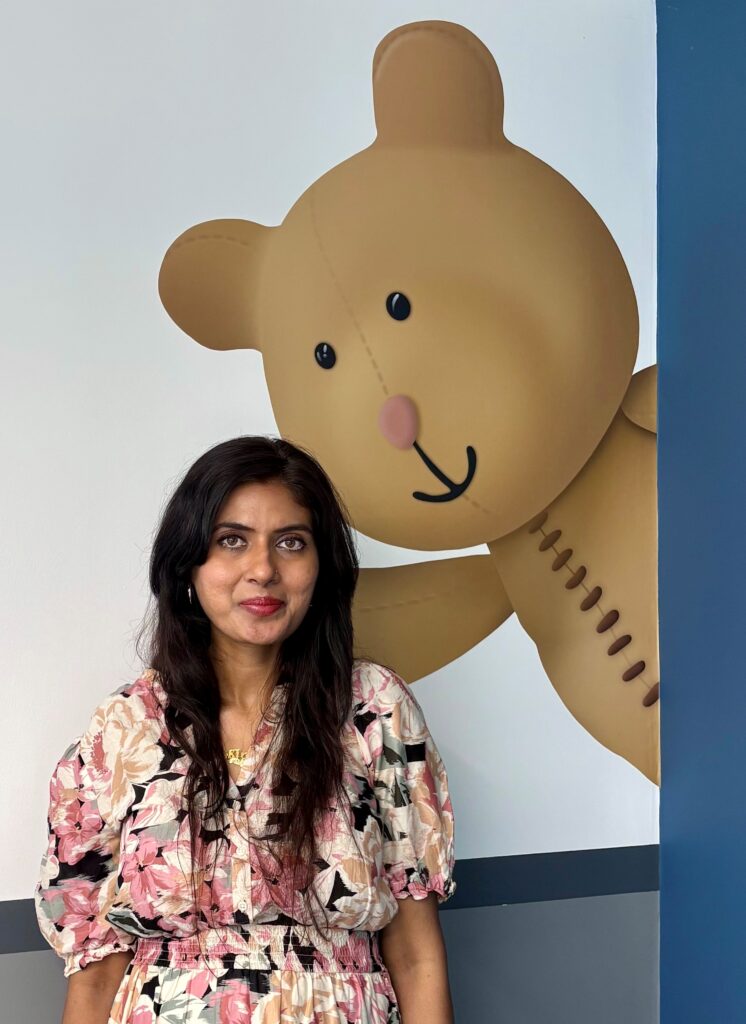
Sunina holds a distinction in MSc Project Management from the University of Central Lancashire, and has a strong interest in inclusive leadership and early intervention. She is working directly with nursery owners, SEND coordinators, teachers and families to understand why SEND support varies so much depending on where a family lives.
When the PhD was announced, dot2dot received 50 expressions of interest within two weeks. The research described the study as being of national importance.
What dot2dot is doing while the research continues
Research takes time, and support cannot wait. Alongside the PhD, dot2dot is:
- Hosting webinars on the areas the sector has flagged as priorities
- Seeking specialist input on health and safety and SEND specific training.
- Feeding early findings into the Royal Foundation for Early Childhood
What the research aims to achieve
The goal is a practical roadmap for change, helping nurseries, families and children get consistent, inclusive SEND support, wherever they are in the UK.
Every child deserves to be seen, understood and supported, right from their earliest years. If you are a parent, staff member or nursery owner with experience that could shape this research, email SEND@dot2dot.org.uk.
Frequently asked questions
Who is funding the SEND research? dot2dot nursery insurance is funding the three year PhD.
Who is carrying out the research? Sunina Kiran, a PhD student at the University of Greater Manchester, based in Bolton, supervised by Professor Christian Harrison.
What led to the research? A 2022 case where a dot2dot client nursery, already caring for 19 children with SEND in a 38 place setting, was asked by their local authority to accept another.
What has the research found so far? Early survey data shows 40 percent of nurseries have lost staff directly due to the stress of managing SEND without adequate support, alongside gaps in funding, training and recruitment.
How can I contribute to the research? Parents, nursery staff and nursery owners can share their experience by emailing SEND@dot2dot.org.uk